Across Africa, millions of students still learn in classrooms struggling with overcrowding, outdated teaching systems, and limited access to personalized education. While technology has transformed industries like finance and commerce, many schools across the continent continue to rely on manual processes that leave teachers overwhelmed and students underserved.
For Nigerian startup Safeticha, this challenge became an opportunity to rethink how learning could work in African classrooms.
Now, the company’s efforts are gaining global attention after receiving recognition through the World Bank-backed IFC SheWins Africa Accelerator Programme, placing the startup among some of Africa’s most promising female-led ventures.
The Problem: Africa’s Education Gap Is Bigger Than Access
Over the last decade, school enrollment across Africa has improved significantly. But access alone has not solved the deeper issue: learning outcomes.
Many teachers still face major obstacles such as limited teaching resources, large classroom sizes, administrative overload, lack of personalized support for students and minimal access to digital tools.
In many schools, lesson planning, performance tracking, and classroom management are still handled manually, making it difficult to identify struggling students early or adapt teaching methods effectively.
For Princess Onwuka, an educator with years of experience training teachers across Nigeria, these problems were impossible to ignore.
Turning Classroom Frustration Into a Platform
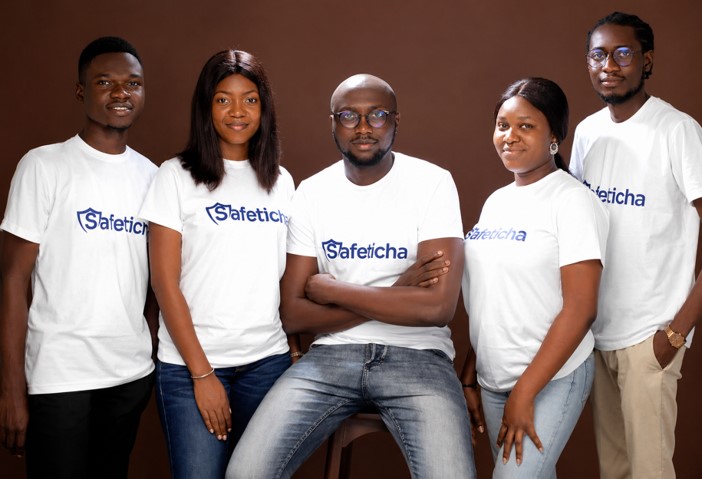
Princess Onwuka teamed up with software developer Damilare Adepoju to build a system designed specifically for African educators and schools.
That idea became Safeticha.
Founded in 2022, the platform combines artificial intelligence, classroom analytics, lesson planning tools, behavior tracking, and personalized learning systems into one ecosystem aimed at improving both academic and behavioral outcomes.
Instead of replacing teachers, the company wanted to reduce the pressure teachers face daily while helping schools make smarter decisions through data.
Building AI for African Classrooms
Unlike many global EdTech platforms built for Western education systems, Safeticha focuses on local realities inside African schools.
Its tools help teachers generate lesson plans faster, create quizzes and worksheets instantly, track classroom behavior, monitor student performance, personalize learning experiences and access curriculum-aligned resources
The company also developed Ticha AI, an AI-powered teaching assistant that supports educators with resource creation and classroom management.
One of the platform’s most important features is accessibility. Safeticha aims to make educational content adaptable for diverse learners, including students with special educational needs and those learning in indigenous languages.
The World Bank Recognition
Safeticha’s growth recently reached a major milestone when the startup completed the IFC SheWins Africa Accelerator Programme, supported by the World Bank’s International Finance Corporation. The initiative selected some of the top female-led startups across Africa, with Safeticha emerging as one of the few EdTech companies recognized in the cohort.
For the startup, the recognition represented more than visibility. It validated the idea that African-built technology can solve African education challenges at scale.
The program also provides mentorship, support for expansion, and access to networks that could help Safeticha grow beyond Nigeria into more African markets.
Why This Matters for Africa’s Future
Education sits at the center of Africa’s economic future. By 2050, the continent is expected to have the world’s youngest population, making learning infrastructure one of the most important long-term investments.
Yet many schools still lack the systems needed to support modern learning.
Companies like Safeticha represent a new generation of African startups moving beyond consumer convenience and focusing on foundational systems. Rather than building for trends, these companies are addressing structural gaps that affect millions of people daily.
A Bigger Shift in African EdTech
Safeticha’s rise also reflects a changing investment landscape. While African fintech once dominated investor attention, development finance institutions and global organizations are increasingly supporting startups tackling social infrastructure challenges, especially in education and digital skills development.
The World Bank itself has emphasized that digital learning and AI-supported education will play a major role in preparing Africa’s youth for future jobs and entrepreneurship.
For startups operating in this space, the opportunity extends far beyond classrooms.
It is about building the human capital that will shape Africa’s next generation of workers, founders, and innovators.
The Bigger Lesson
Safeticha’s story is ultimately about more than software.
It is about a teacher seeing broken systems firsthand and deciding to build a solution instead of waiting for one.
By combining education expertise with AI and digital infrastructure, the Nigerian startup is helping schools move from reactive teaching to data-driven learning.
And as Africa’s education systems continue evolving, companies building practical tools for real classroom challenges may become some of the continent’s most important innovators.