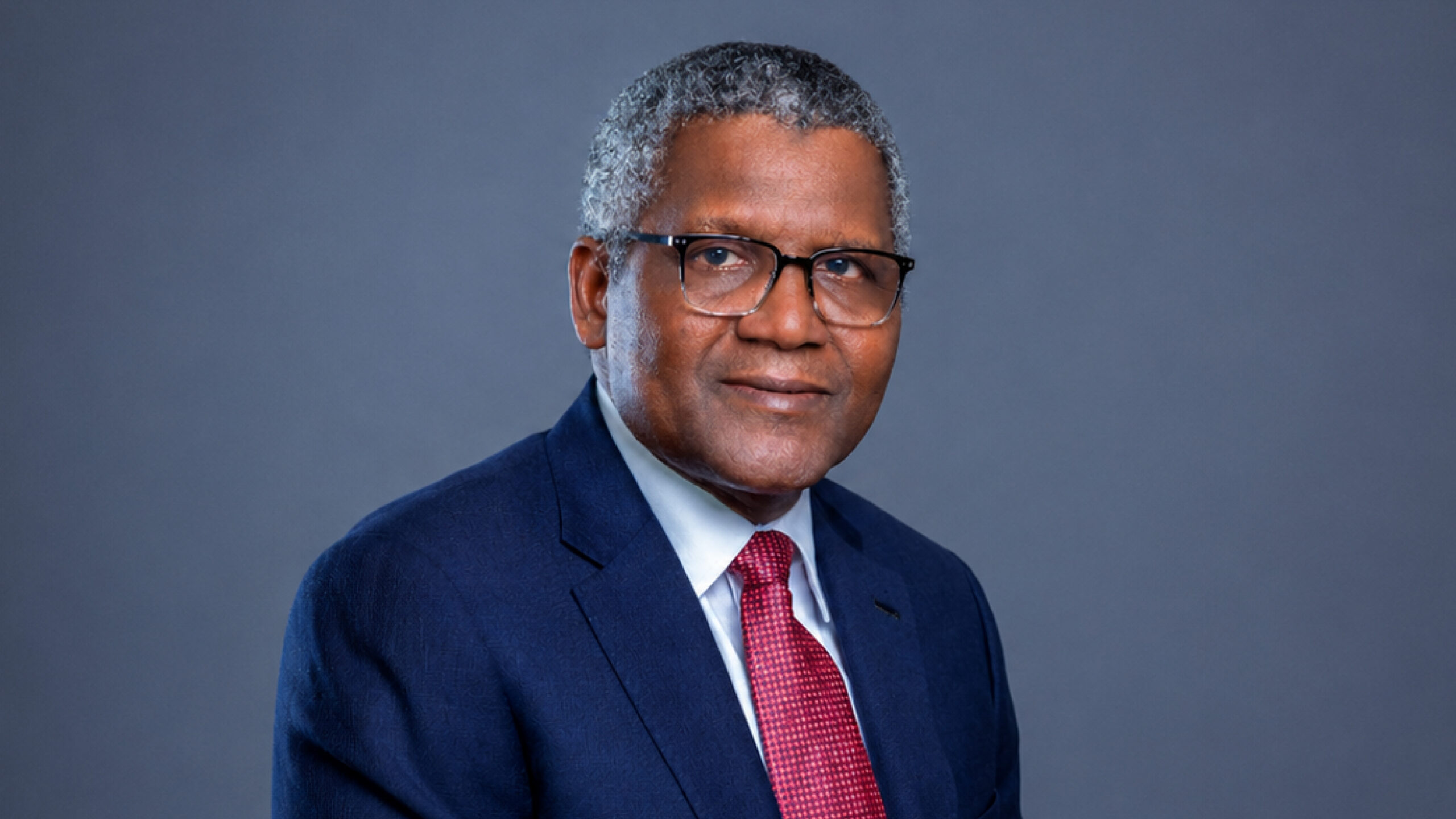
For years, Aliko Dangote has been known as Africa’s richest man.
But his fortune has now reached a level that highlights the extraordinary scale of the business empire he has built.
According to recent wealth estimates, Dangote’s net worth has climbed to approximately $36.7 billion, driven by the growing value of his interests in cement, fertilizer, sugar, salt, and the massive Dangote Refinery. At that level, his personal fortune is now larger than the annual economic output of 33 African countries.
The milestone underscores not only the scale of Dangote’s wealth but also the enormous influence that industrial businesses can have in shaping economies across the continent.
From a trading business to an industrial empire
Dangote’s journey began decades ago with a modest trading operation funded by a family loan.
Rather than remaining focused on importing goods, he pursued a different strategy. He invested heavily in local manufacturing, building businesses that produced products African countries consumed every day.
Over time, those investments expanded into cement, sugar refining, salt processing, fertilizer production, and eventually oil refining.
That long-term commitment to industrialization transformed the Dangote Group into one of Africa’s largest privately owned conglomerates and made Dangote the continent’s wealthiest entrepreneur.
The refinery that changed everything
While Dangote had been Africa’s richest man for years, the launch and expansion of the Dangote Refinery dramatically accelerated his wealth.
The refinery, which can process up to 650,000 barrels of crude oil per day, is one of the largest single-train refineries in the world. It was built to reduce Africa’s dependence on imported refined petroleum products and strengthen energy security across the continent.
Investors increasingly view the refinery as one of the most significant industrial projects ever undertaken by a private African company.
As the refinery continues expanding operations, its contribution to Dangote’s overall wealth has grown substantially.
Wealth larger than national economies
The comparison between Dangote’s fortune and the economies of dozens of African nations highlights the uneven distribution of economic activity across the continent.
Many African countries have relatively small GDPs due to limited industrialization, smaller populations, or dependence on a narrow range of exports.
With a fortune approaching $37 billion, Dangote’s net worth exceeds the annual economic output of countries such as Sierra Leone, The Gambia, Burundi, Lesotho, Guinea-Bissau, and many others.
While personal wealth and national GDP measure different things, the comparison illustrates just how massive his business empire has become.
Africa’s only Black billionaire above $30 billion
Dangote has also reached another distinction.
Recent wealth rankings place him as the only African and the only Black billionaire globally with a fortune exceeding $30 billion. His wealth has continued rising throughout 2026, supported by strong performance across several of his core businesses.
His position at the top of Africa’s rich list has remained remarkably consistent, with Forbes ranking him as Africa’s richest person for the fifteenth consecutive year.
Betting on Africa’s industrial future
What separates Dangote from many wealthy entrepreneurs is the nature of his investments.
Much of his fortune is tied to factories, manufacturing plants, fertilizer facilities, refineries, and infrastructure projects rather than technology platforms or financial assets.
His business philosophy has long centered on the belief that Africa can create more wealth by producing goods locally instead of importing them.
That approach has made him one of the most prominent advocates for industrialization on the continent.
Expanding beyond Nigeria
Even with the refinery now operational, Dangote is still looking for new opportunities.
Recent reports indicate he is exploring the possibility of developing a major refinery project in Kenya, potentially extending his industrial footprint into East Africa. The proposed project could cost between $15 billion and $17 billion if it moves forward.
The move reflects his broader ambition to build infrastructure capable of serving multiple African markets rather than focusing solely on Nigeria.
Looking Ahead
Aliko Dangote’s rise from a trading entrepreneur to a billionaire worth more than the economies of 33 African countries is a story about scale, patience, and industrial ambition.
Rather than chasing short-term opportunities, he spent decades building businesses that produce essential goods used across Africa every day.
Today, his wealth reflects the success of that strategy.
And as the Dangote Refinery, fertilizer plants, and manufacturing businesses continue expanding, his story remains one of the most powerful examples of how large-scale industrial investment can create extraordinary value on the African continent.