For many researchers, scientific recognition comes after years of quiet work in laboratories, classrooms, and research institutions, often far from public attention.
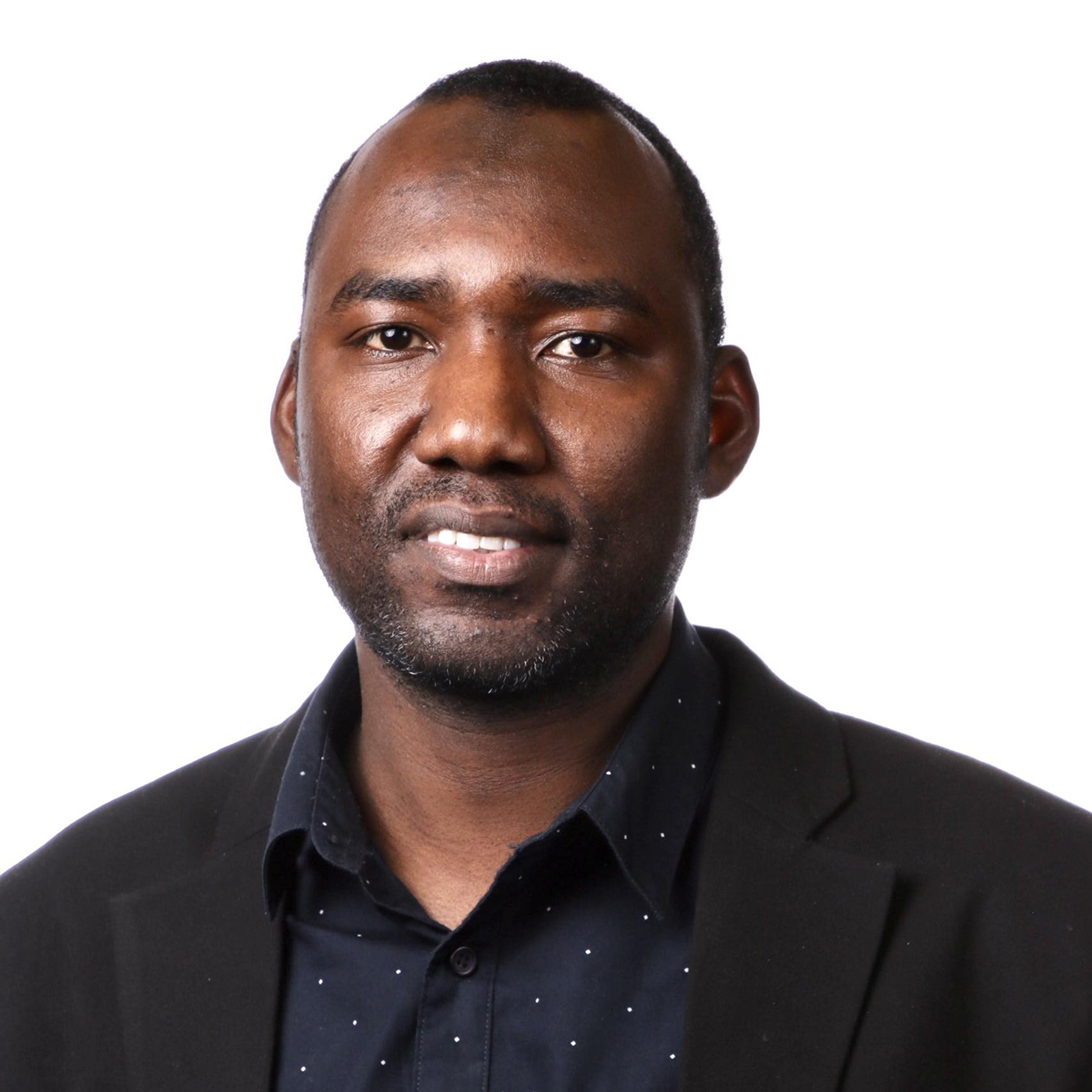
For Dr. Yakubu Sani Wudil, that dedication has earned global recognition.
The Nigerian materials scientist has been named among the world’s top 2% scientists, a prestigious ranking compiled annually by researchers at Stanford University in collaboration with global academic publishing company Elsevier. The ranking identifies researchers whose scientific contributions have had significant impact within their respective fields.
The achievement places Wudil among an elite group of scholars whose work is influencing scientific advancement around the world.
A Career Built on Materials Science
Dr. Wudil has spent years building a reputation in the field of materials science, a discipline that focuses on understanding and developing materials used in technology, engineering, manufacturing, energy systems, and industrial applications.
Materials scientists play a critical role in modern innovation because nearly every technological breakthrough depends on the properties of materials.
From solar panels and batteries to construction materials, electronics, and medical devices, advancements often begin with research into how materials can be made stronger, lighter, safer, or more efficient.
Through his research, Wudil has contributed to the growing body of scientific knowledge helping to drive these innovations.
What the Top 2% Ranking Means
The Stanford-Elsevier ranking is widely regarded as one of the most respected global assessments of scientific impact.
Rather than focusing solely on the number of papers published, the ranking evaluates multiple indicators including citations, research influence, authorship contributions, and overall impact within specific scientific disciplines.
Being included among the world’s top 2% scientists means a researcher’s work is not only being published but is also being used, referenced, and built upon by other scientists across the world.
For Wudil, the recognition reflects years of sustained contributions to scientific research and scholarship.
Representing Nigeria on the Global Research Stage
The recognition is particularly significant because it highlights the growing contributions of Nigerian scientists to global research.
Despite challenges such as limited research funding, infrastructure constraints, and resource gaps faced by many institutions across Africa, Nigerian researchers continue to make meaningful contributions across fields including medicine, engineering, agriculture, technology, and environmental science.
Wudil’s inclusion among the world’s most influential scientists demonstrates that impactful research can emerge from anywhere when talent, dedication, and expertise come together.
His achievement also helps increase international visibility for African scientific research and the institutions supporting it.
Inspiring the Next Generation of Scientists
Beyond the personal accomplishment, Wudil’s recognition serves as inspiration for young Africans interested in science, technology, engineering, and mathematics.
Many aspiring researchers rarely see African scientists celebrated on the global stage. Achievements like this help demonstrate that world-class scientific careers are possible regardless of geographical location.
For students pursuing careers in research, his journey reinforces the importance of persistence, curiosity, and long-term commitment to solving complex problems.
Scientific breakthroughs often happen behind the scenes, but their impact can shape industries, economies, and societies for generations.
Why Materials Science Matters
While materials science may not receive as much public attention as fields like artificial intelligence or software development, it remains one of the foundations of technological progress.
Advances in clean energy, transportation, healthcare, telecommunications, and manufacturing often depend on the discovery and development of new materials.
Researchers in the field work on challenges such as improving battery performance, developing sustainable materials, increasing industrial efficiency, and creating technologies capable of addressing future global needs.
Scientists like Wudil contribute to this broader ecosystem of innovation that powers modern life.
The Bigger Lesson
Dr. Yakubu Sani Wudil’s recognition among the world’s top 2% scientists is more than an individual achievement.
It is a reminder that Africa’s contribution to global innovation extends far beyond entrepreneurship and technology startups. It also includes the researchers, scholars, and scientists whose work forms the foundation for future discoveries.
His journey highlights the value of sustained excellence in research and the growing presence of African scientists in global academic conversations.
And as more African researchers gain international recognition, stories like Wudil’s help reinforce an important reality: world-changing knowledge can come from any corner of the globe.