For decades, transportation across much of Africa has relied heavily on fuel-powered motorcycles.
From the bustling streets of Lagos and Nairobi to delivery networks in Kigali and Cotonou, motorcycles have become the backbone of urban mobility, helping millions of people earn a living and move efficiently through growing cities.
But rising fuel costs, environmental concerns, and the need for more affordable transportation are creating demand for a different solution.
That opportunity has fueled the rise of Spiro, Africa’s largest electric mobility company, which recently secured $215 million in new equity funding to expand its electric vehicle and battery-swapping infrastructure across the continent. The raise ranks among the largest funding rounds ever secured by an African electric mobility company.
Building Africa’s electric mobility future
Spiro was founded with a bold vision: make electric transportation practical and affordable for African markets.
Rather than focusing on expensive passenger vehicles, the company targeted one of the continent’s most widely used transportation tools—the motorcycle.
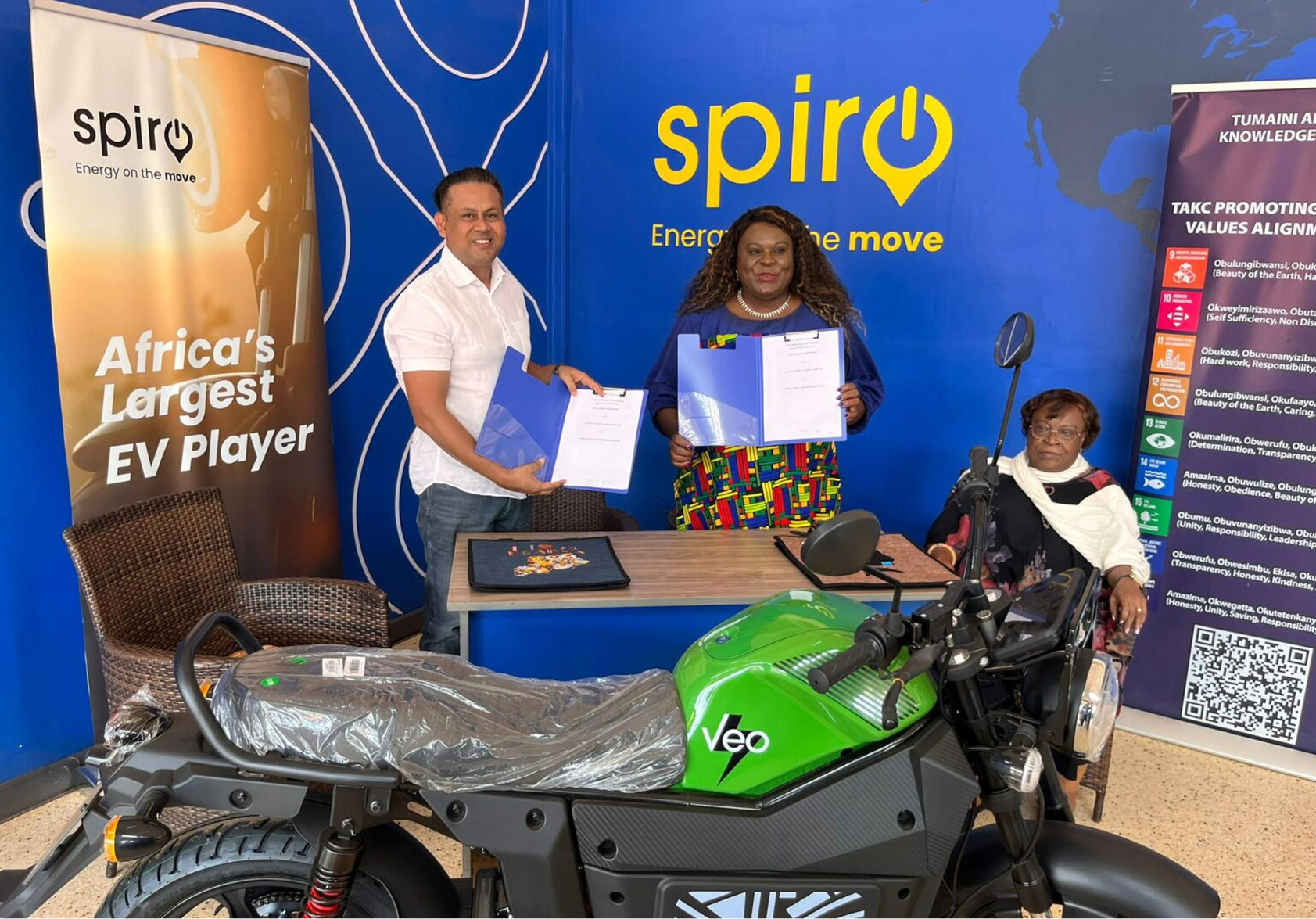
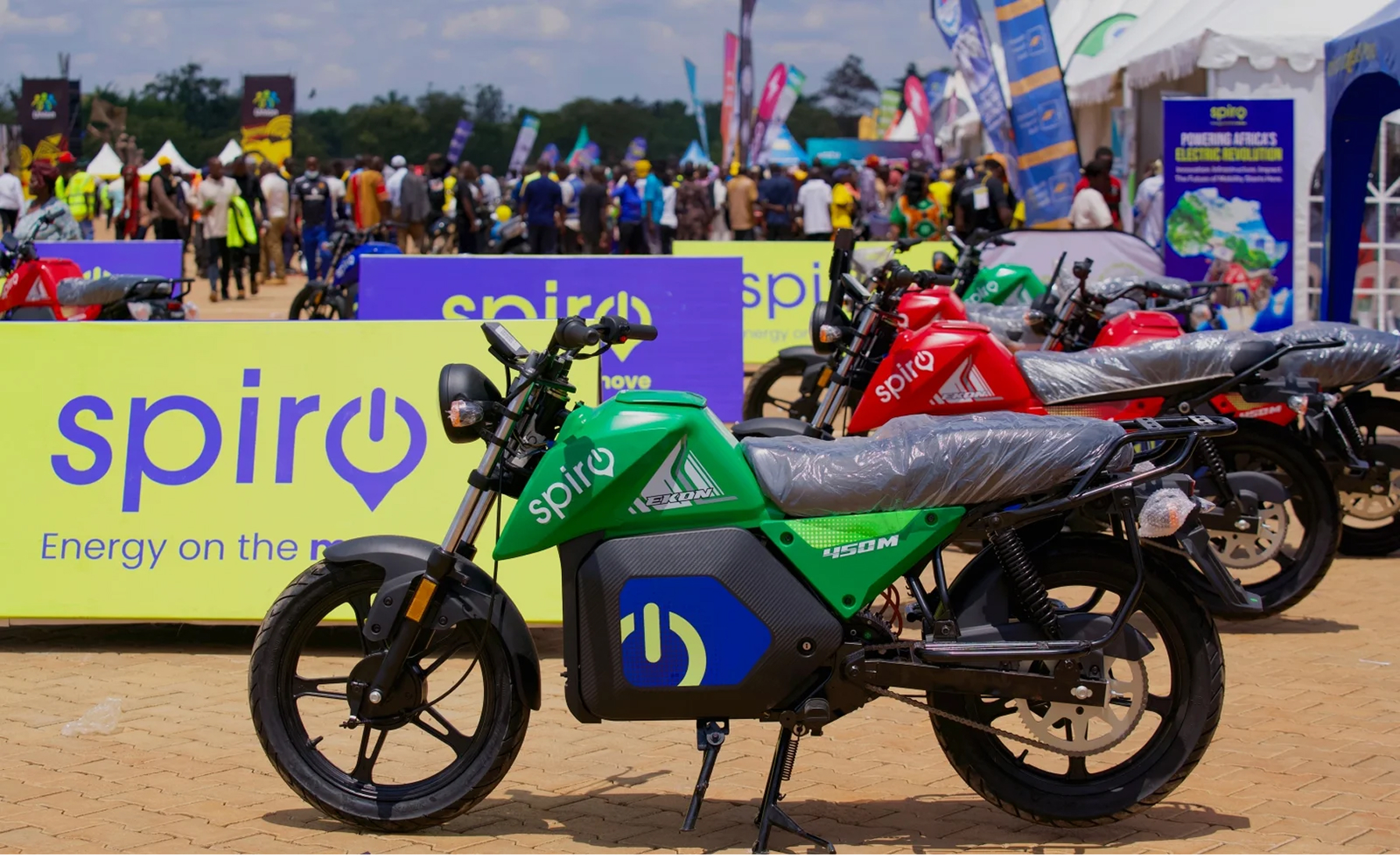
Its model centers on electric motorcycles supported by a battery-swapping network. Instead of waiting for batteries to recharge, riders can simply exchange a depleted battery for a fully charged one within minutes at dedicated swap stations. This approach eliminates one of the biggest obstacles facing electric vehicle adoption: charging time.
The strategy has helped the company scale rapidly across multiple countries.
Growing across seven African markets
Today, Spiro operates in Kenya, Rwanda, Uganda, Togo, Benin, Nigeria, and Cameroon.
According to the company, it has already deployed more than 100,000 electric vehicles and established over 2,500 battery-swapping stations across its operating markets. The network has processed millions of battery swaps and supports thousands of riders who depend on motorcycles for transportation, delivery services, and business operations.
What began as an electric motorcycle company has evolved into one of Africa’s largest mobility infrastructure platforms.
Why investors committed $215 million
The latest funding round attracted support from institutional investors across Africa and Europe, including Impact Fund Denmark, Equitane, and FEDA, the development finance arm of Afreximbank. Investors see growing potential in Africa’s clean transportation sector as governments and businesses search for alternatives to imported fossil fuels.
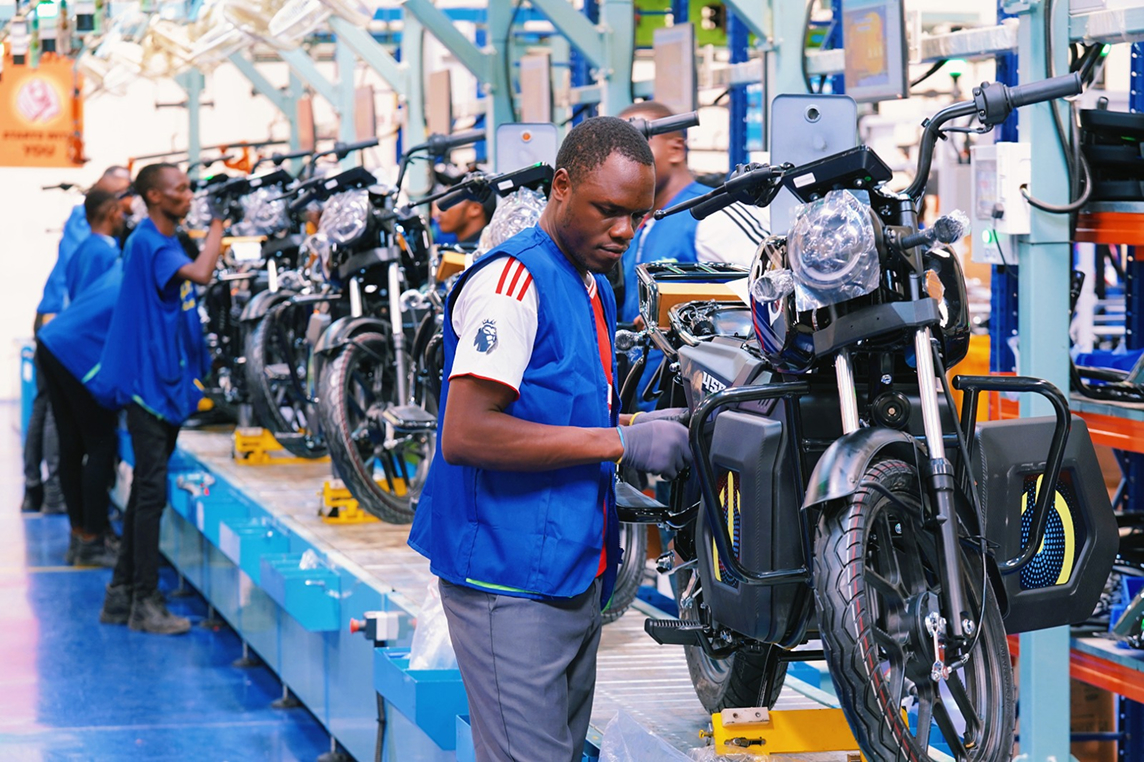
The new capital will be used to expand Spiro’s battery-swapping network, strengthen manufacturing and assembly operations, accelerate technology development, and support expansion into new markets, including the Democratic Republic of Congo and Ethiopia.
More than motorcycles
Spiro’s ambitions extend beyond simply putting electric motorcycles on the road.
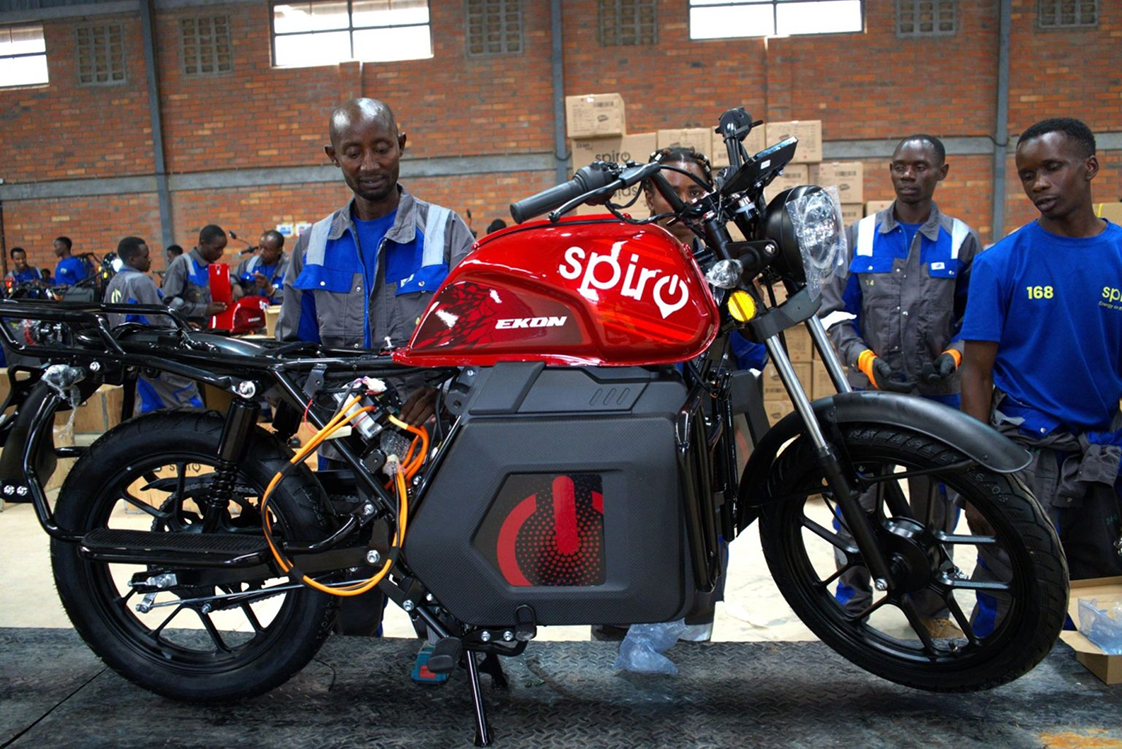
The company has built manufacturing facilities in Kenya, Rwanda, and Uganda, alongside a battery recycling facility in Nigeria. It is also developing solar-powered battery-swapping stations and exploring second-life battery storage systems that can support renewable energy initiatives.
This positions the company not only as a transportation provider but also as part of Africa’s emerging clean-energy infrastructure.
Solving a cost problem for riders
One reason electric mobility is gaining traction is economics.
For many commercial riders, fuel represents one of the largest operating expenses. Spiro says its electric motorcycles can reduce daily transportation costs by up to 40%, allowing riders to save approximately $2 per day compared with traditional fuel-powered motorcycles.
For individuals who rely on motorcycles as their primary source of income, those savings can have a significant impact over time.
The combination of lower operating costs and easier access to energy through battery swapping has helped accelerate adoption in several markets.
Creating an African manufacturing ecosystem
Unlike many companies that simply import finished products, Spiro has invested heavily in local manufacturing and assembly.
The company says its operations have contributed to thousands of direct and indirect jobs while supporting industrial development across multiple African countries. It has also invested in research, engineering, and technology development to adapt products specifically for African conditions and transportation needs. This localized approach has become a key part of its expansion strategy.
A broader shift in African transportation
Spiro’s growth reflects a larger transformation underway across the continent.
As cities expand and fuel prices fluctuate, governments and investors are increasingly paying attention to electric mobility solutions that can reduce costs, improve energy security, and lower emissions.
While Africa’s electric vehicle market remains smaller than those of China, Europe, and North America, industry observers believe adoption is accelerating as infrastructure improves and locally adapted business models emerge.
Companies like Spiro are helping build the foundation for that transition.
The Bigger Lesson
Spiro’s $215 million funding round is not simply a startup success story.
It is a sign that investors increasingly view Africa’s mobility challenges as opportunities for large-scale innovation.
By combining electric vehicles, battery-swapping technology, manufacturing, and energy infrastructure, the company is building a system designed specifically for African realities rather than importing solutions developed elsewhere.
And as the continent continues searching for affordable, sustainable transportation options, Spiro’s rapid growth suggests that the future of mobility in Africa may be electric—and closer than many people think.