- Home
- Nigerian Industrialist Abdul Samad Rabiu Becomes Africa’s Second Richest Man With $19 Billion Fortune
Nigerian Industrialist Abdul Samad Rabiu Becomes Africa’s Second Richest Man With $19 Billion Fortune
For decades, Africa’s billionaire rankings have been dominated by familiar industries, mining, luxury goods, telecoms, and oil. But in 2026, a Nigerian industrialist quietly reshaped that conversation through something less glamorous yet deeply powerful, manufacturing.
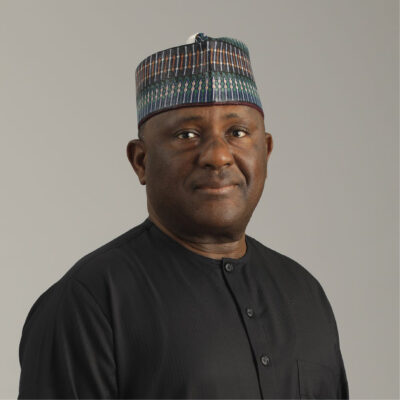
Abdul Samad Rabiu, founder of BUA Group, has officially risen to become Africa’s second richest man after his fortune surged to approximately $19 billion, according to Bloomberg’s Billionaires Index.
The milestone places him behind only Aliko Dangote and ahead of South African luxury billionaire Johann Rupert.
But Rabiu’s rise did not happen overnight.
It was built over decades of expanding factories, betting on local production, and turning essential industries into one of Africa’s largest industrial empires.
From Commodity Trading to Industrial Powerhouse
Born into a prominent business family in Kano, Nigeria, Abdul Samad Rabiu inherited exposure to commerce early. His father, Isyaku Rabiu, was one of Nigeria’s influential industrialists during the 1970s and 1980s.
But Rabiu’s path was not simply inherited wealth.
In 1988, he founded BUA International, initially focused on commodity trading—importing rice, sugar, edible oil, and other products into Nigeria.
Over time, he recognized a deeper opportunity.
Instead of relying heavily on imports, Africa needed local manufacturing capacity.
That realization transformed BUA from a trading company into an industrial giant spanning cement, sugar refining, foods and pasta production, infrastructure, real estate, ports and logistics
This shift would eventually become the foundation of Rabiu’s fortune.
The Two Companies Fueling His Wealth Surge
The sharp increase in Rabiu’s wealth in 2026 came largely from the explosive growth of two publicly traded companies BUA Cement and BUA Foods
According to Bloomberg’s calculations, Rabiu’s stakes in both companies surged significantly as investors rewarded strong earnings growth and expanding industrial capacity.
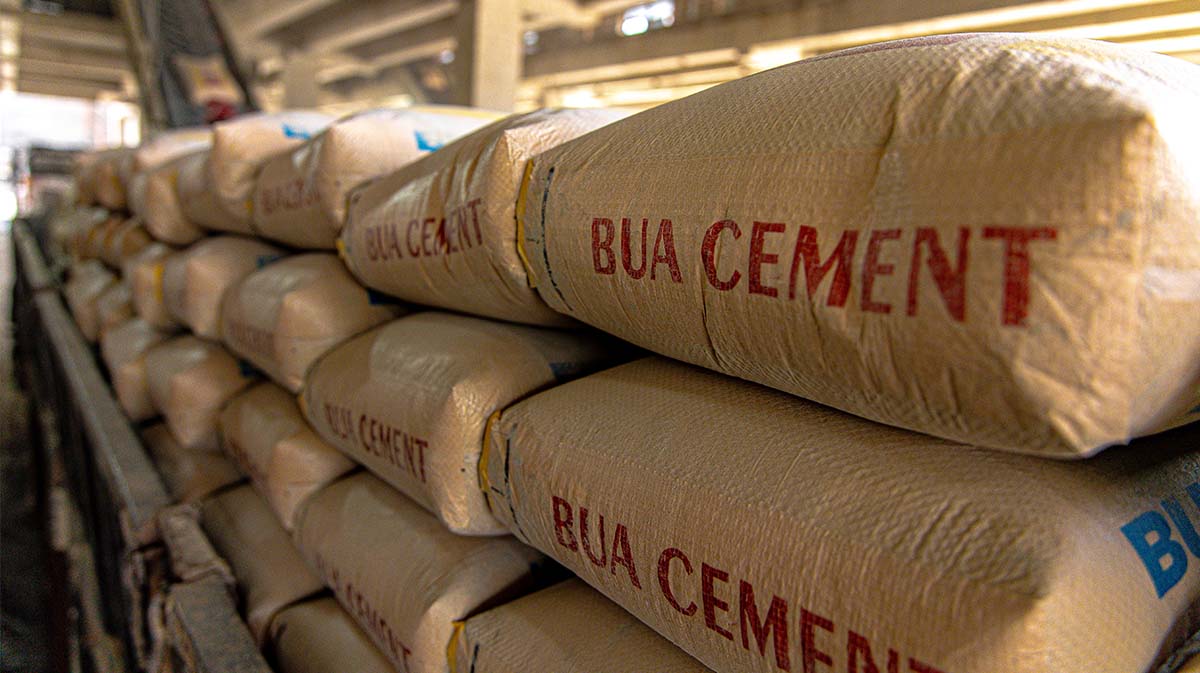
BUA Cement’s stock climbed dramatically during 2026, driven by Nigeria’s infrastructure demand and the company’s growing production capabilities.
At the same time, BUA Foods benefited from rising demand for essential consumer products like flour, pasta, and sugar, posting strong profits despite Nigeria’s difficult economic climate.
Bloomberg estimated that Rabiu added nearly $9 billion to his wealth within just a few months—making him one of the fastest-growing billionaires globally in 2026.
Why Investors Are Paying Attention
Rabiu’s rise reflects something bigger happening across Africa’s economy.
For years, many investors viewed African industrialization as slow-moving and difficult to scale. But companies like BUA are proving that local manufacturing can become enormously valuable when combined with infrastructure demand and population growth.
Nigeria alone has over 200 million people, creating massive long-term demand for housing, roads and infrastructure, packaged foods, construction materials and industrial products.
Rabiu positioned BUA directly inside these essential sectors.
Rather than building products dependent on trends, he focused on industries people rely on every day.
That strategy created resilience.
Building Factories Instead of Chasing Hype
Unlike many modern billionaires tied to software or speculative technology, Rabiu built his empire through physical infrastructure.
His companies invested heavily in large-scale industrial facilities across Nigeria, helping reduce import dependence while creating thousands of jobs.
This manufacturing-first approach also aligns with a larger push by African governments to strengthen local production and reduce reliance on foreign imports.
In many ways, Rabiu’s success reflects the industrial future many African economies hope to build.
Philanthropy and Influence Beyond Business
Beyond business, Rabiu has also expanded his influence through philanthropy.
Through the Abdul Samad Rabiu Initiative, he committed substantial funding toward health, education, and social development projects across Africa.
As his wealth and visibility continue growing, so does his influence within Africa’s economic and development conversations.
Nigeria Now Holds Africa’s Top Two Billionaire Spots
Rabiu’s rise also marks a symbolic moment for Nigeria.
With Aliko Dangote still ranked as Africa’s richest man, Nigeria now occupies the continent’s top two billionaire positions.
It reinforces the country’s position as one of Africa’s largest centers of industrial and entrepreneurial activity despite ongoing economic challenges.
For many observers, it also signals a shift in where African wealth is increasingly being created, not only through natural resources, but through large-scale manufacturing and consumer industries.
The Bigger Lesson
Abdul Samad Rabiu’s journey is ultimately a story about scale.
While many businesses chase visibility, he focused on building systems that sit underneath everyday life, cement for buildings, flour for food, sugar for manufacturing.
The result is a fortune now worth billions.
But beyond personal wealth, his rise highlights that Africa’s next economic giants may not come from hype-driven industries alone.
They may come from the people building the factories, infrastructure, and supply chains powering the continent itself.
And in 2026, few people embody that shift more than Abdul Samad Rabiu