For millions of Black women around the world, getting braids is more than a beauty routine—it is a cultural tradition, a protective hairstyle, and often an all-day commitment.
A salon appointment can easily stretch for six, eight, or even twelve hours. In some cases, people spend multiple days braiding their own hair at home.
For Chisom Okwor, that reality raised a simple question:
Why has technology transformed almost every industry except hair braiding?
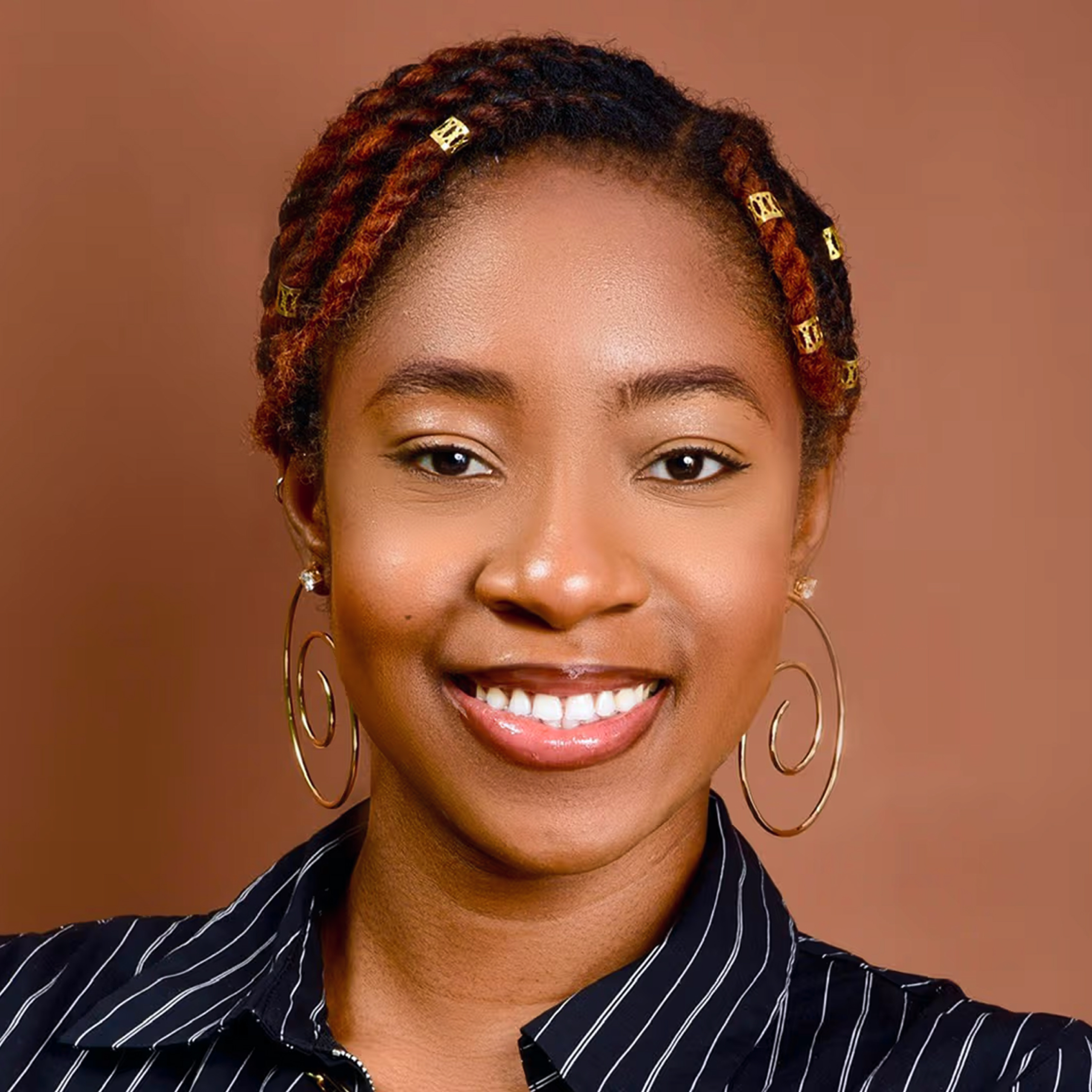
That question eventually led the Nigerian-born software engineer to create Braidiant, a startup developing an automated handheld braiding device designed to reduce the time, cost, and physical strain associated with braiding hair.
From Hair Braider to Software Engineer
Long before she worked at Google, Okwor learned hair braiding during a gap year after graduating from high school in Nigeria.
Later, she moved to the United States to study computer science at Fisk University on a full-ride scholarship. While in school, she continued braiding hair as a side business, using the income to support her living expenses and travel costs.
That experience gave her a unique perspective.
She understood the challenges from both sides—the customer spending hours in a salon chair and the stylist spending long days performing repetitive hand movements.
As she advanced in her engineering career, she began to see an opportunity to apply technology to a problem she had personally experienced.
Seeing a Multi-Billion-Dollar Opportunity
The more Okwor examined the industry, the more she realized how little innovation had occurred in hair braiding.
People routinely spend hundreds of dollars for braided styles that can take an entire day to complete. In many markets, especially outside Africa, access to skilled braiders is limited, driving prices even higher. Some customers pay between $600 and $1,000 for certain braided styles.
At the same time, hairstylists often experience physical strain from years of repetitive work involving their fingers, wrists, and hands.
For Okwor, the issue was not simply convenience.
It was a labor, health, and accessibility problem.
Building Braidiant
Determined to find a solution, Okwor began experimenting with hardware and automation.
Using her engineering background and several 3D printers she owned, she started building early prototypes. By 2022, she had developed a working prototype and later launched Braidiant in 2024 to commercialize the technology.
To improve the device, she purchased and tested nearly every braiding tool she could find on the market.
What she discovered was that many existing devices were not designed for coily and kinky hair textures.
That insight became a core focus of Braidiant’s development process.
The AI-Powered Braiding Device
Braidiant’s flagship product is an automated handheld braiding device designed to work with extensions and multiple hair textures.
The technology aims to automate standardized braiding tasks while still preserving the artistry involved in more complex hairstyles. Currently, the device can assist with certain braided styles but is not designed for intricate cornrows or highly customized artistic patterns.
Rather than replacing hairstylists, Okwor sees the technology as a tool that can increase productivity.
Her vision is to help professionals complete appointments faster, serve more customers, and reduce the physical wear and tear that often comes with years of braiding work.
Solving a Health Problem for Stylists
One of the most overlooked aspects of the beauty industry is the physical impact on workers.
Hair braiding requires constant repetitive motion, often for hours at a time. Over the years, this can contribute to conditions such as tendonitis, arthritis, and carpal tunnel syndrome.
Okwor believes automation can help extend careers by reducing strain on stylists’ hands and wrists while allowing them to take on more clients without increasing physical stress.
The company also believes the technology could help increase earnings for hairstylists by improving efficiency and allowing them to serve more customers within the same amount of time.
Funding the Vision
Investors and entrepreneurship programs have already started taking notice.
Braidiant has secured funding support, including a $20,000 award from Black Ambition, founded by Pharrell Williams, as well as additional funding from pitch competitions at the University of Texas at Austin through Texas Venture Lab.
Alongside running the startup, Okwor is also pursuing a master’s degree in Artificial Intelligence at the University of Texas at Austin, further strengthening the technical foundation behind the company.
A Bigger Shift in Beauty Technology
Braidiant represents a growing movement where founders are applying engineering, robotics, and artificial intelligence to industries that have historically received little technological attention.
For decades, beauty innovation largely focused on products.
Now, founders are beginning to rethink the tools, equipment, and infrastructure behind the industry itself.
Okwor’s work is part of a broader trend showing that innovation can emerge from everyday frustrations that millions of people simply accept as normal.
The Bigger Lesson
Chisom Okwor’s journey highlights the power of combining lived experience with technical expertise.
She was not an outsider trying to disrupt an industry she barely understood. She had spent years braiding hair herself, experienced the physical demands firsthand, and saw the challenges customers and stylists faced every day.
Instead of accepting that braiding would always take hours, she asked whether technology could help.
Today, through Braidiant, she is attempting to modernize a centuries-old practice while preserving the creativity and cultural significance that make it special.
And if successful, the next generation of hair braiding may involve not just skilled hands but intelligent tools working alongside them.